
Hospital & Nursing Home Notarizations | Mobile Notary Guide
When a loved one is in the hospital or a nursing home, life can feel overwhelming. Amid the medical charts, doctor updates, and care plans, legal matters often pop up. You might suddenly need a signature on a legal document to handle finances or medical decisions.
This is where mobile notarizations for healthcare facilities come in. This guide will explain how to get documents notarized in a hospital or nursing home quickly, legally, and with minimal stress.
What is a Hospital or Nursing Home Notarization?
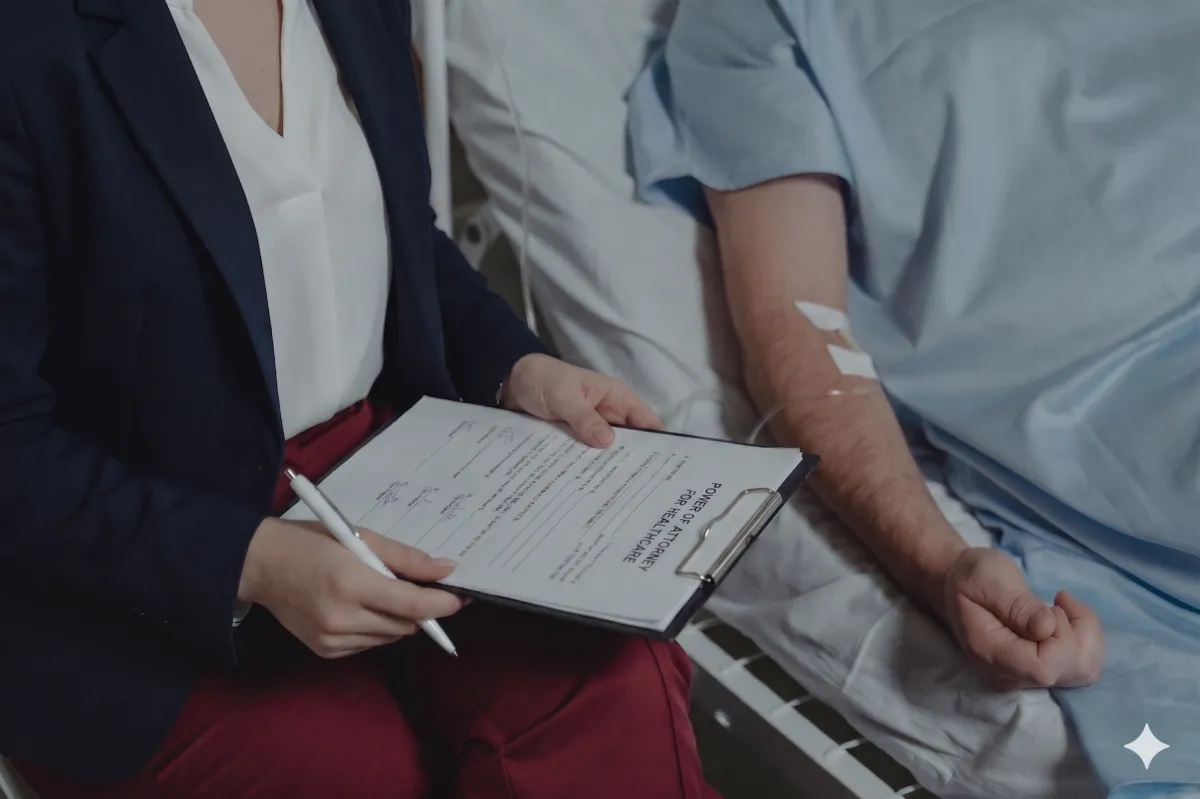
A hospital or nursing home notarization happens when a legal official, called a Notary Public, travels directly to a medical facility. They verify the identity of a patient who needs to sign a document.
Because the signer cannot leave their room, a traditional trip to a bank or a lawyer's office isn't possible. Mobile notaries specialize in coming right to the bedside to get the job done.
Why Would a Patient Need a Notary?
When someone is dealing with a serious illness or aging, they often need to pass certain responsibilities to a trusted family member. The most common documents that require a notary in a healthcare setting include:
Financial Power of Attorney (POA): This lets a trusted person manage the patient's bank accounts, pay bills, or sell property while they are incapacitated.
Advance Healthcare Directive / Living Will: This document outlines the patient's wishes for medical treatment if they become unable to speak for themselves.
Wills and Trusts: For estate planning and ensuring their assets are protected.
Real Estate Documents: Selling a house or signing deed paperwork from a hospital bed.
Step-by-Step Guide to Getting a Document Notarized in a Facility
Getting a document notarized in a medical setting requires a bit more planning than a standard notarization. Follow these steps to ensure everything goes smoothly.
1. Ensure the Patient is Aware and Willing
This is the most important step. A notary cannot legally notarize a document if the signer does not understand what they are signing. The patient must be lucid, alert, and acting of their own free will.
Important Note: If the patient is heavily medicated or confused, the notary will have to refuse the signing. Always check with the medical staff to find a time of day when the patient is at their sharpest.
2. Gather the Right Identification
The notary must verify the identity of the signer. The patient will need a valid, government-issued photo ID. Acceptable forms of ID usually include:
A state driver's license
A state ID card
A U.S. passport
A military ID
What if the patient's ID is expired or missing? If the patient does not have a valid ID, some states allow the use of Credible Witnesses. These are people who know the patient, are not named in the document, and can swear under oath that the patient is who they say they are.
3. Do Not Sign the Document Ahead of Time
The document must be signed right in front of the notary. Leave the signature lines blank until the notary gives the green light. However, you should fill out all the other information on the form before the notary arrives.
4. Check for Witness Requirements
Many estate planning documents, like Wills and Powers of Attorney, require witnesses in addition to a notary.
Witnesses usually cannot be family members.
Witnesses cannot be named as beneficiaries in the document.
Hospital and nursing home staff are rarely allowed to act as witnesses due to facility policies. You will likely need to bring neighbors or friends to act as witnesses.
5. Schedule a Mobile Notary
Search for a local "mobile notary" or "hospital notary." When you call them, let them know the specific facility name, the room number, and the type of document you need signed.
Frequently Asked Questions (FAQs)
Can a nurse or doctor act as a notary?
While some healthcare workers might hold a notary commission, most hospitals have strict rules preventing staff from notarizing documents for patients. This avoids conflicts of interest. It is always best to hire an independent, outside mobile notary.
What happens if the patient cannot physically sign their name?
If a patient is mentally alert but physically unable to hold a pen, the law provides options. In many states, the patient can make a "mark" (like an "X") which the notary validates. Alternatively, some states allow a "signature by proxy," where someone else signs the patient's name at their explicit direction, in front of the notary.
How much does a hospital mobile notary cost?
Standard notary fees are set by state law (usually a few dollars per signature). However, mobile notaries charge an extra travel fee to come to the hospital. This fee varies based on the distance and the time of day, so ask for a quote upfront.
Can we use Remote Online Notarization (RON)?
Yes, depending on your state laws. Remote Online Notarization allows a patient to use a smartphone or tablet to video chat with a notary online. The patient must still meet all identity and mental awareness requirements, and they will need a strong internet connection in their hospital room.
Summary Checklist for Families
Before the notary arrives at the hospital or nursing home, make sure you have:
[ ] The complete document (with all pages included, but unsigned).
[ ] A valid, unexpired photo ID for the patient.
[ ] Two independent witnesses (if required by the document).
[ ] Confirmation from the nurse that the patient is alert and not heavily medicated.
[ ] The entry codes or visitor passes required by the facility.
Taking care of legal paperwork during a health crisis is tough, but mobile notaries make it manageable. By preparing the right IDs, securing your witnesses, and timing the visit around the patient's medical schedule, you can protect your loved one’s wishes without any extra stress.
CONCLUSION
Dealing with legal paperwork during a health crisis is never easy. However, secure and legal signing does not have to be a source of stress. By preparing the right identification, coordinating with medical staff, and securing independent witnesses, you can protect your loved one’s wishes and finances without any extra hassle.
You do not have to navigate this complicated process alone. If you need a professional, compassionate official to visit a local medical facility, we are here to help. Contact us today at Notalis Notary to schedule an appointment.